
Lieu de culteMonument du patrimoine culturel2b89de8f…5660
Paul-Gerhardt-Kirche
Journey through Rheingönheim's architectural history
Votre visite compte pour ces réussites :
Ludwigshafen am Rhein: Premiers pas10 pts
Ludwigshafen am Rhein: Explorateur25 pts
Ludwigshafen am Rhein: Initié50 pts
Featuring a 13th-century tower and a neoclassical hall built in 1790/91, the Paul-Gerhardt-Kirche in Rheingönheim blends Romanesque and Gothic architectural styles. The 1952 reconstruction by architect Wilhelm Horlacher added a choir extension. The church is protected as a cultural heritage monument in Germany.
Récit guidé
Take a look at the striking tower, dating back to the 13th century. It's the oldest surviving church structure in Ludwigshafen am Rhein. The Romanesque and Gothic elements tell stories from a time long past. The neoclassical hall you see was built in 1790/91, seamlessly connecting to the tower. In 1952, architect Wilhelm Horlacher added a choir extension. This church is a cultural heritage monument in Germany. With its hipped roof and clean lines, it offers a glimpse into the architectural diversity of past centuries.
Le saviez-vous ?
The church's tower is the oldest preserved structure in Ludwigshafen am Rhein.
Localisation
À proximité

Sankt-Joseph-Kirche
202 m de distance

Wildpark Ludwigshafen-Rheingönheim
1.7 km de distance

Christuskirche
1.7 km de distance

Sankt Bonifaz
1.8 km de distance
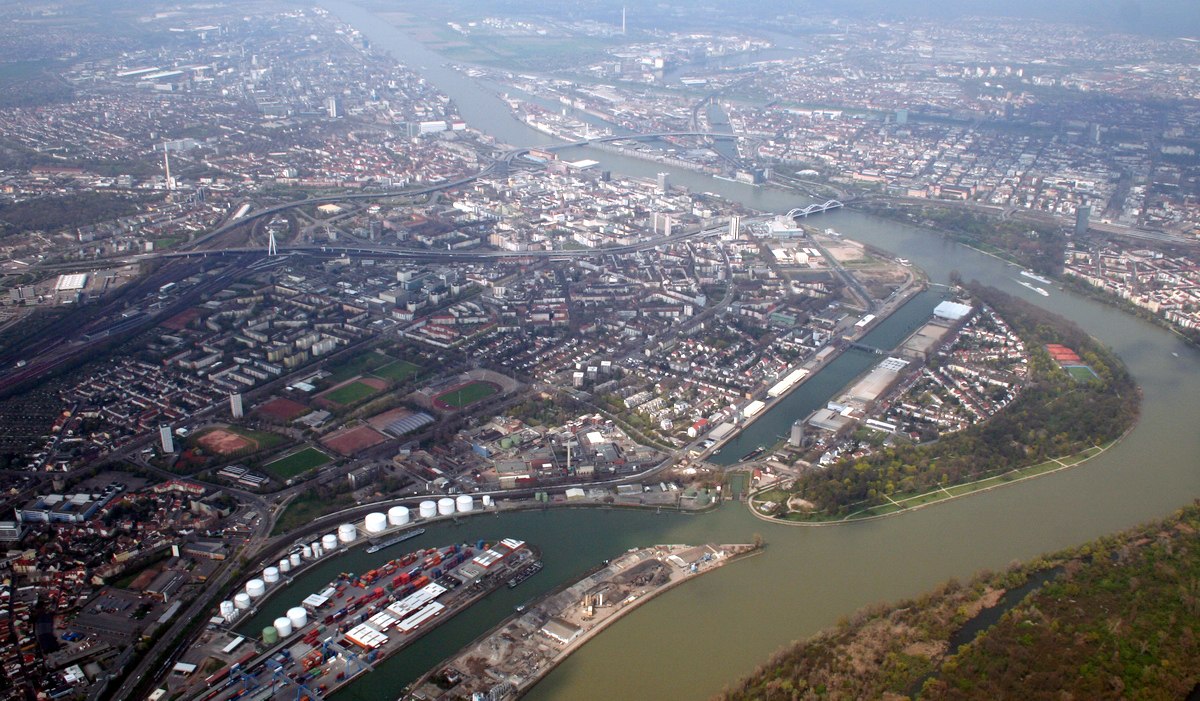
Hallenbad Süd
2.9 km de distance

Erlöserkirche
2.0 km de distance

Trinitatiskirche
1.5 km de distance

Sankt Sebastian
2.3 km de distance
Crédits photographiques
- Wildpark Ludwigshafen-Rheingönheim: © Immanuel Giel (CC BY-SA 4.0) · Wikimedia Commons
- Christuskirche: © Immanuel Giel (CC BY-SA 3.0) · Wikimedia Commons
- Sankt Bonifaz: © Immanuel Giel (CC BY 3.0) · Wikimedia Commons
- Hallenbad Süd: © Dominik Lott (Dolo280) (CC BY-SA 2.5) · Wikimedia Commons
- Erlöserkirche: © Rudolf Stricker (Attribution) · Wikimedia Commons
- Trinitatiskirche: © Immanuel Giel (CC BY 3.0) · Wikimedia Commons
- Sankt Sebastian: © Immanuel Giel (CC BY 3.0) · Wikimedia Commons