
Place of worship84ee23ea…4c6c
St. Beatus
A Testament of Faith from the 1950s
Checking in counts toward these achievements:
Koblenz: First Steps10 pts
Koblenz: Explorer25 pts
Koblenz: Insider50 pts
St. Beatus Church in the Koblenz district of Karthause was completed in 1953 and is dedicated to Saint Beatus of Trier. It is a Roman Catholic church, exemplifying post-war ecclesiastical architecture. Once part of a barracks, it now serves as a significant place of worship in the area.
Guided Story
You're standing in front of St. Beatus Church, completed in 1953. This church is a notable example of post-war architecture. Originally part of a barracks for the 1st Battalion of the 6th Rhenish Infantry Regiment No. 68, it now serves a very different purpose. Notice the clean lines and simple facade, typical of the era's design. Turning around, you might glimpse the Arboretum and the main cemetery in the distance, both offering a serene setting. This church is dedicated to Saint Beatus of Trier and is part of the Roman Catholic denomination, highlighting its spiritual significance in the area.
Did you know?
The church was originally part of a military barracks.
Part of These Trails
Places of Worship in Koblenz — Hidden GemsStop 6 of 6
Location
Nearby

Löwentor
125 m away

Hauptfriedhof Koblenz
360 m away
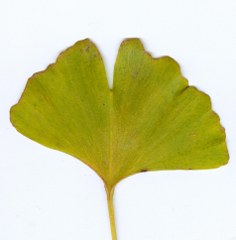
Arboretum
309 m away

Fort Konstantin
668 m away

Landesbibliothekszentrum Rheinland-Pfalz
783 m away

Koblenz Hbf
843 m away
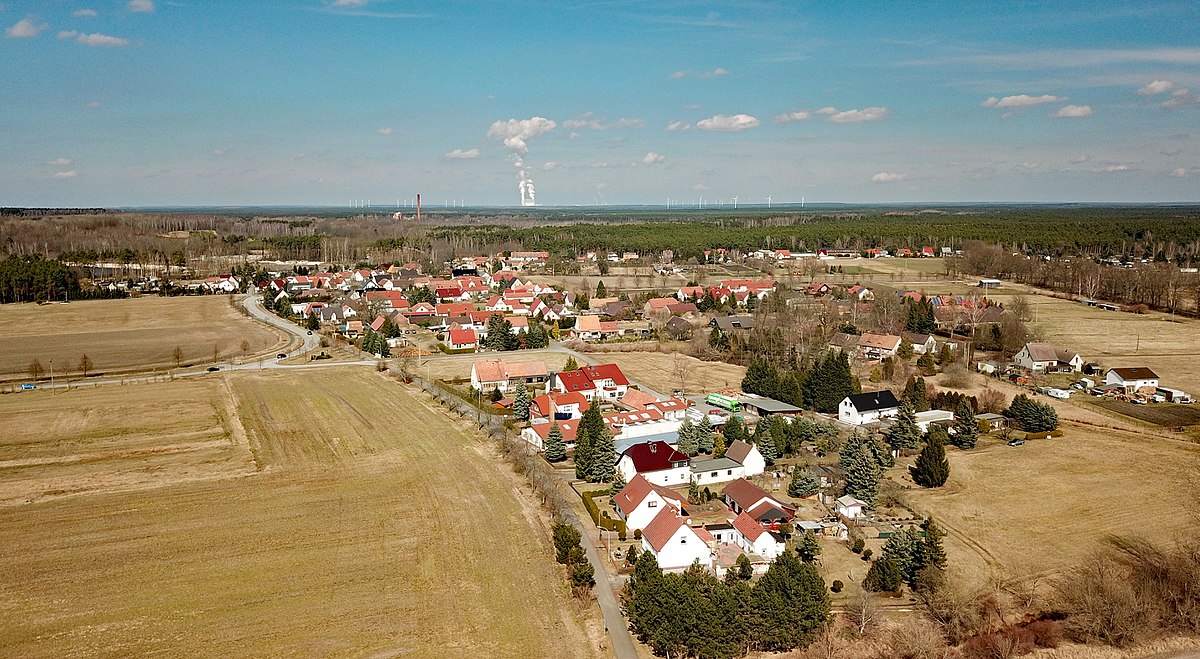
Rheinisches Fastnachtsmuseum Koblenz
738 m away

Sankt Josef
844 m away
Image credits
- St. Beatus (header image): © Holger Weinandt (CC BY-SA 3.0 DE) · Wikimedia Commons
- Löwentor: © Holger Weinandt (CC BY-SA 3.0 DE) · Wikimedia Commons
- Hauptfriedhof Koblenz: © Holger Weinandt (CC BY-SA 3.0 DE) · Wikimedia Commons
- Arboretum: © Ginkgo2g (CC BY 3.0) · Wikimedia Commons
- Fort Konstantin: © Rolf Kranz (CC BY-SA 4.0) · Wikimedia Commons
- Koblenz Hbf: © Schaengel (CC BY-SA 3.0) · Wikimedia Commons
- Rheinisches Fastnachtsmuseum Koblenz: © Taxiarchos228 (FAL) · Wikimedia Commons
- Sankt Josef: © Holger Weinandt (CC BY-SA 3.0 DE) · Wikimedia Commons